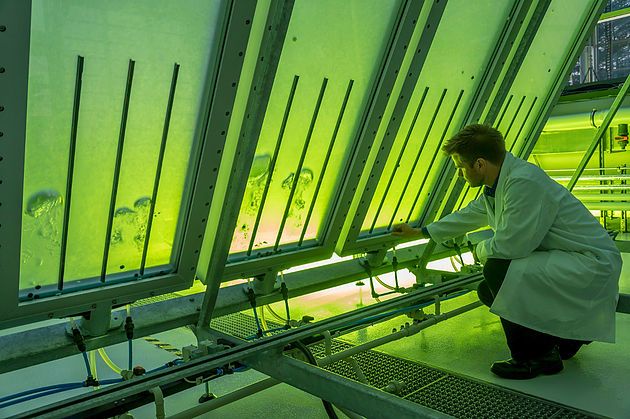
Synthetical gasoline from algae is a concept that has been gaining more and more attention in recent years. We know that hydrocarbon fuels such as oil and gas are running out, and their extraction causes irreparable damage to the environment. At the same time, alternative energy sources such as electric cars and hydrogen are not yet able to fully replace traditional internal combustion engines. In search of an alternative, scientists turned to algae—a unique biomass source that can produce hydrocarbons similar to those used to fuel vehicles.
How Does It Work?
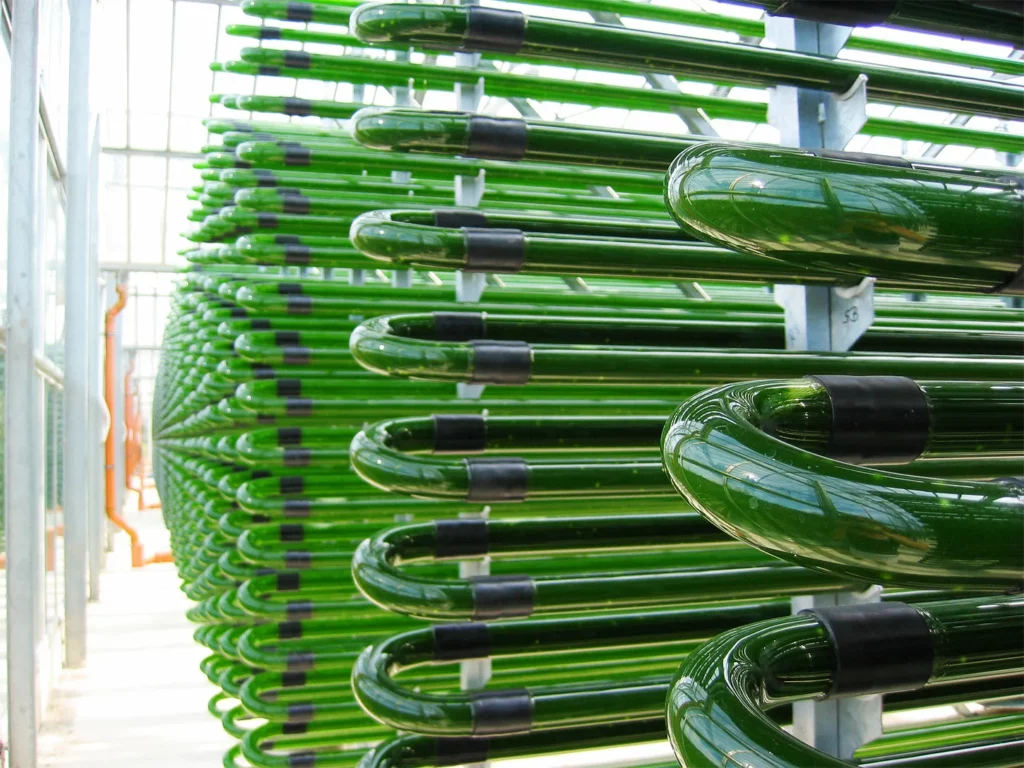
The process of producing synthetic gasoline from algae is based on converting algae biomass into liquid hydrocarbons using various technologies.
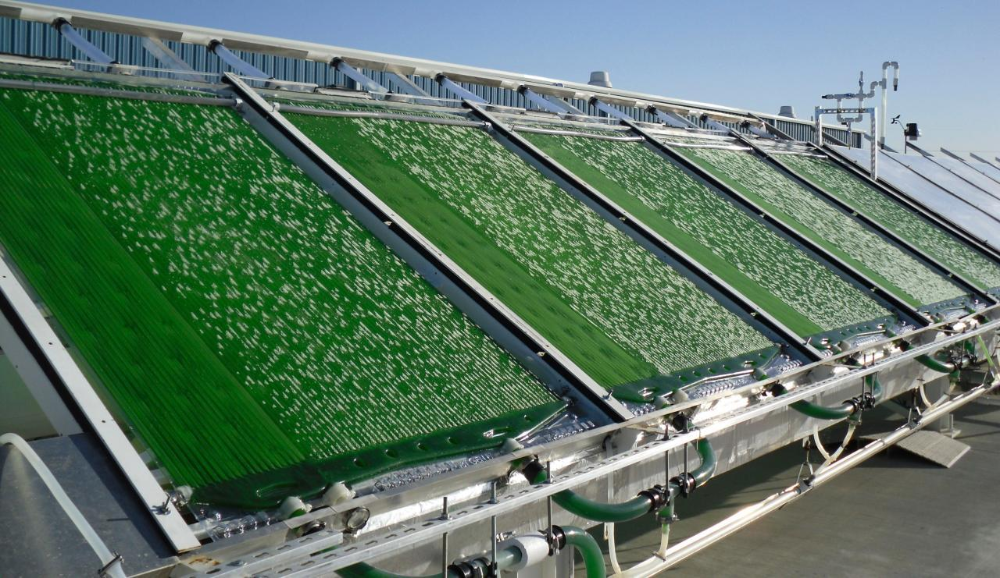
Growing Algae. Microalgae, cultivated in specialized bioreactors or open ponds, absorb carbon dioxide and solar energy, converting them into organic substances. This allows algae to be used as raw material for further processing.
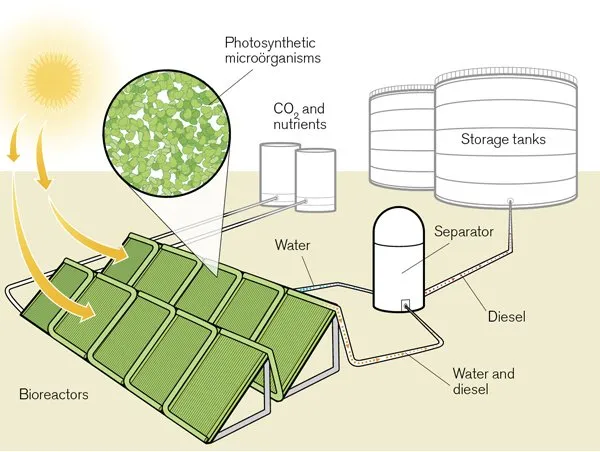
Processing and Synthesis. The harvested biomass undergoes thermal treatment, such as pyrolysis or hydrothermal liquefaction, which decomposes organic substances into hydrocarbons suitable for use as fuel. These substances are then purified of impurities and turned into gasoline-like hydrocarbons.
Advantages of Synthetic Gasoline from Algae
- Renewability: Unlike oil, algae can be grown on unused land or in water bodies, without occupying arable land. This opens up new possibilities for fuel production without competing with food crops.
- High Yield: Algae can produce much more hydrocarbons per unit area than traditional oil crops. For example, microalgae can produce up to 3,570 barrels of bio-oil per acre per year, which is much higher than the yield from sunflower or soybeans.
- Low Carbon Footprint: During growth, algae absorb carbon dioxide from the atmosphere, making them carbon-neutral. The combustion of biofuels from algae does not increase CO₂ levels in the atmosphere, unlike traditional fossil fuels.
Challenges and Issues
Despite the obvious advantages, the production of synthetic gasoline from algae faces several challenges.
- High Costs: Algae cultivation and processing technologies require significant financial and energy investments. Currently, the cost of producing biofuels from algae is much higher than from traditional fossil fuel sources.
- Technical Difficulties: More efficient methods of algae processing need to be developed to make the process economically attractive and scalable. There are several methods, such as pyrolysis and hydrothermal liquefaction, but each has its own limitations.
- Scaling Up: Despite successful laboratory research, there are problems with scaling up the technology. Currently, there are not enough developed solutions for mass biofuel production from algae, which hinders the commercialization of this technology.
Examples of Technologies and Developments
- USA: Under the «Aquatic Species Program» from 1978 to 1996, research was conducted on biofuel production from algae. Despite successes in laboratory conditions, the commercialization of the technology faced economic challenges.
- Russia: Scientists from the United Institute of High Temperatures RAS and Moscow State University developed a unit to convert microalgae biomass into bio-gasoline without preliminary drying, significantly improving the energy efficiency of the process.
- Germany: Research in Germany on hydrothermal liquefaction of marine algae has been recognized as the most environmentally friendly method of producing bio-oil. This process produces minimal emissions and has a high degree of conversion efficiency.
Conclusions and Prospects
Synthetic gasoline from algae is a real and promising path towards sustainable energy. Despite existing challenges, scientific research in this area is actively progressing. With the development of technologies and reduction in production costs, biofuels from algae could become an important component in transitioning to more environmentally friendly energy sources and help reduce dependence on fossil hydrocarbons.
Considering that microalgae can produce enormous quantities of hydrocarbons and processing technologies continue to improve, the future lies in such alternative energy sources. Synthetic gasoline from algae may very well be a significant step toward a sustainable energy future.