One small glitch in the lock screen UI was enough to scare users, overload admins and once again shake trust in Windows updates.
After another routine Windows 11 update, some users were greeted with a very unnerving surprise: the password icon disappeared from the lock screen. Logging in with a password was still technically possible, but the interface looked as if this option no longer existed at all.
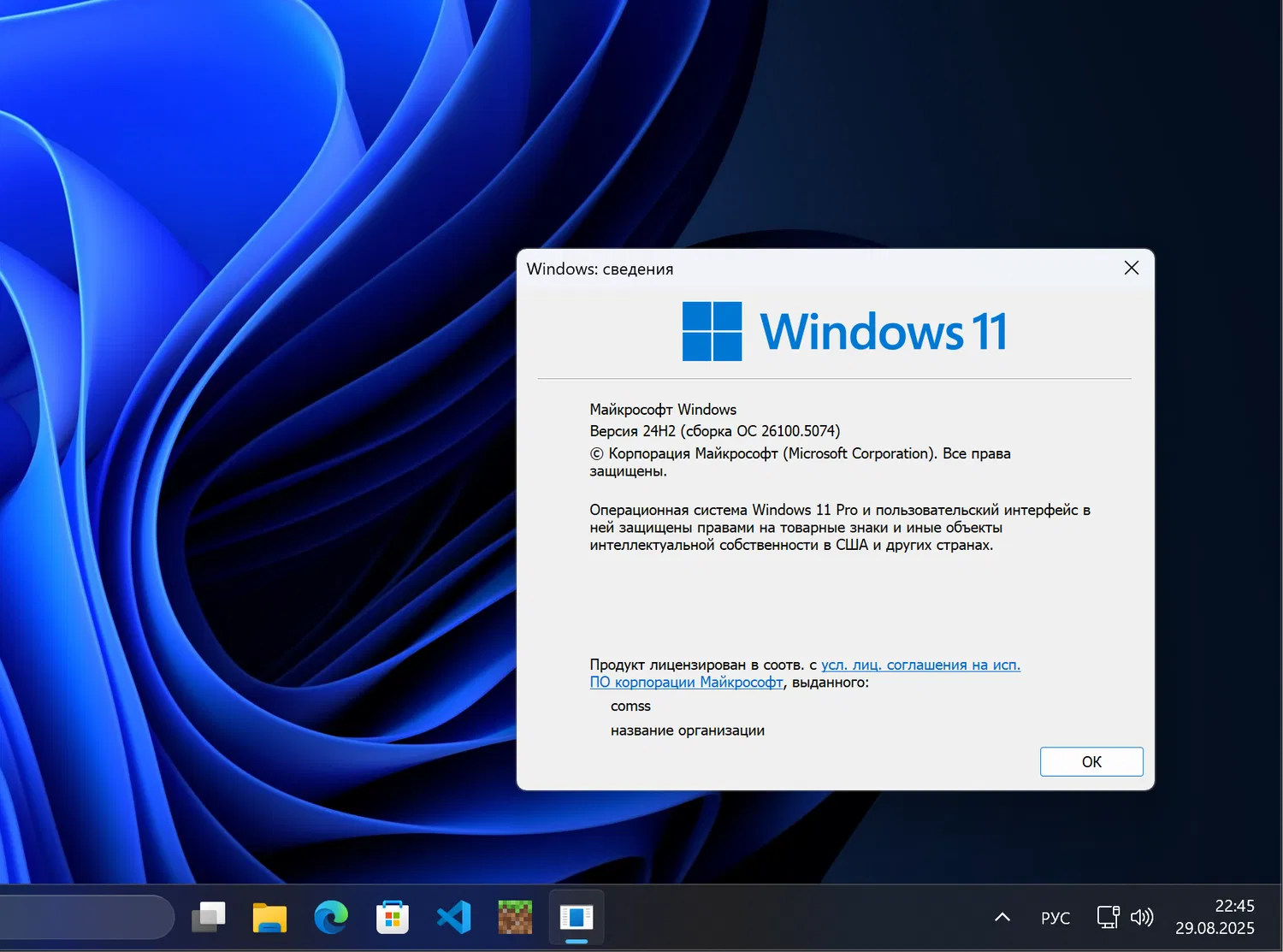
The issue is tied to update KB5064081 and clearly shows how even a tiny visual bug can turn into stress for ordinary people and a headache for IT departments.
What KB5064081 actually broke
KB5064081 is delivered through Windows Update as yet another cumulative patch for Windows 11.
After installation, a portion of users noticed the same pattern: on boot or wake, the lock screen no longer shows the familiar icon that lets you choose password sign‑in.
From the outside it looks as if passwords are no longer supported. PIN, Windows Hello and other methods are visible, while classic password entry seems to be gone.
The natural reaction is panic. It feels like the account is broken, the password was reset, or the system now requires sign‑in methods that were never configured.
In reality, the problem is purely visual.
The password icon is not drawn on the screen — but the clickable area where it should be is still active. If you click on the “empty” spot where the icon used to be, the password field appears and login works as usual.
How Windows 11 behaves when this bug hits
From a regular user’s point of view, this behavior makes no sense.
The operating system boots. The lock screen appears with the usual background and sign‑in options. But the password icon is missing. For people who have always used only a password and never set up anything else, this looks like a dead end.
To get into the system, you have to do something the interface never hints at: click with the mouse or tap on the invisible area where the icon used to sit.
There is no visible button. No tooltip. No explanation.
So most people simply don’t think to try.
From a technical perspective, everything important is intact. Account databases are fine. Passwords are valid. Authentication logic works.
The part that fails is the last, human layer — the lock‑screen UI element that should honestly say: “Click here to enter your password.”
As a result, a few pixels on the screen turn into an invisible door that only opens for those who have already read about the bug or stumble on the workaround by accident.
Why tiny UI bugs cause very real damage
On paper this bug looks minor.
No accounts are corrupted. No data is lost. There is a workaround.
In real life, though, even this kind of glitch can freeze work.
A home user who suddenly loses the familiar sign‑in option after an update often decides that “everything is broken”. Some keep rebooting again and again. Others carry the device to a repair shop. Someone calls a friend to “reinstall Windows”.
In a corporate environment, the effect is multiplied.
If the update rolls out widely and silently, dozens or hundreds of employees can lose access to their workstations at the same moment — not because the credentials fail, but because they literally don’t see where to click.
For admins this means a surge of support tickets and emergency calls.
They have to rush out instructions, explain over the phone where to click on the lock screen, and walk users through a workaround that feels like a magic trick.
The time spent on that easily exceeds the time it took to deploy the update in the first place.
Stories like this also revive an old trust issue around updates.
On the one hand, skipping patches is dangerous: without them systems lose protection and stay vulnerable. On the other hand, every widely discussed failure reinforces the belief some users already hold: “If it works, don’t touch it. Never update.”
That’s why even small UI bugs echo far beyond tech forums.
What you can do right now as a user
If, after installing KB5064081, you no longer see the password icon on the Windows 11 lock screen, the first rule is simple: don’t panic.
Your account is still there. Your password still works.
Here’s what to do:
- On the lock screen, look at the area where the password sign‑in icon used to be.
- Click that blank area with the mouse or tap it if you have a touchscreen.
- If your system is affected by this bug, the password entry form should appear.
- Enter your usual credentials and sign in as normal.
If you manage several devices or a small team, it’s worth sending out a short, clear message explaining what happened and where to click.
A two‑paragraph email can significantly reduce panic and save you from a wave of support calls.
As a temporary measure, some users choose to uninstall the problematic update.
But that is always a trade‑off: when you roll back a patch, you lose not only the bug but also security fixes.
If your situation allows it, it’s more rational to keep the update installed, use the workaround above and wait for Microsoft to ship an official fix.
What KB5064081 reminds us about interfaces and updates
The KB5064081 bug is a small but clear reminder of how important the “last mile” of any technical system is — the human interface.
At the code level everything can be correct: passwords are checked, security policies enforced, data protected.
But if the user is not shown a clear entry point, the system becomes effectively unusable.
For developers, this is a nudge to treat even tiny interface changes seriously, testing them not only on internal rigs but also with real people who are used to specific routines.
For everyday users, it’s an argument in favor of continuing to install updates — but doing so with open eyes, paying attention to known issues and knowing at least basic workarounds.
For those responsible for IT infrastructure, cases like this are another reason to use staged rollouts: first on a limited group of machines, then — if everything looks stable — across the whole network.
A few extra steps in deployment can prevent a minor UI bug from turning into a major operational outage.